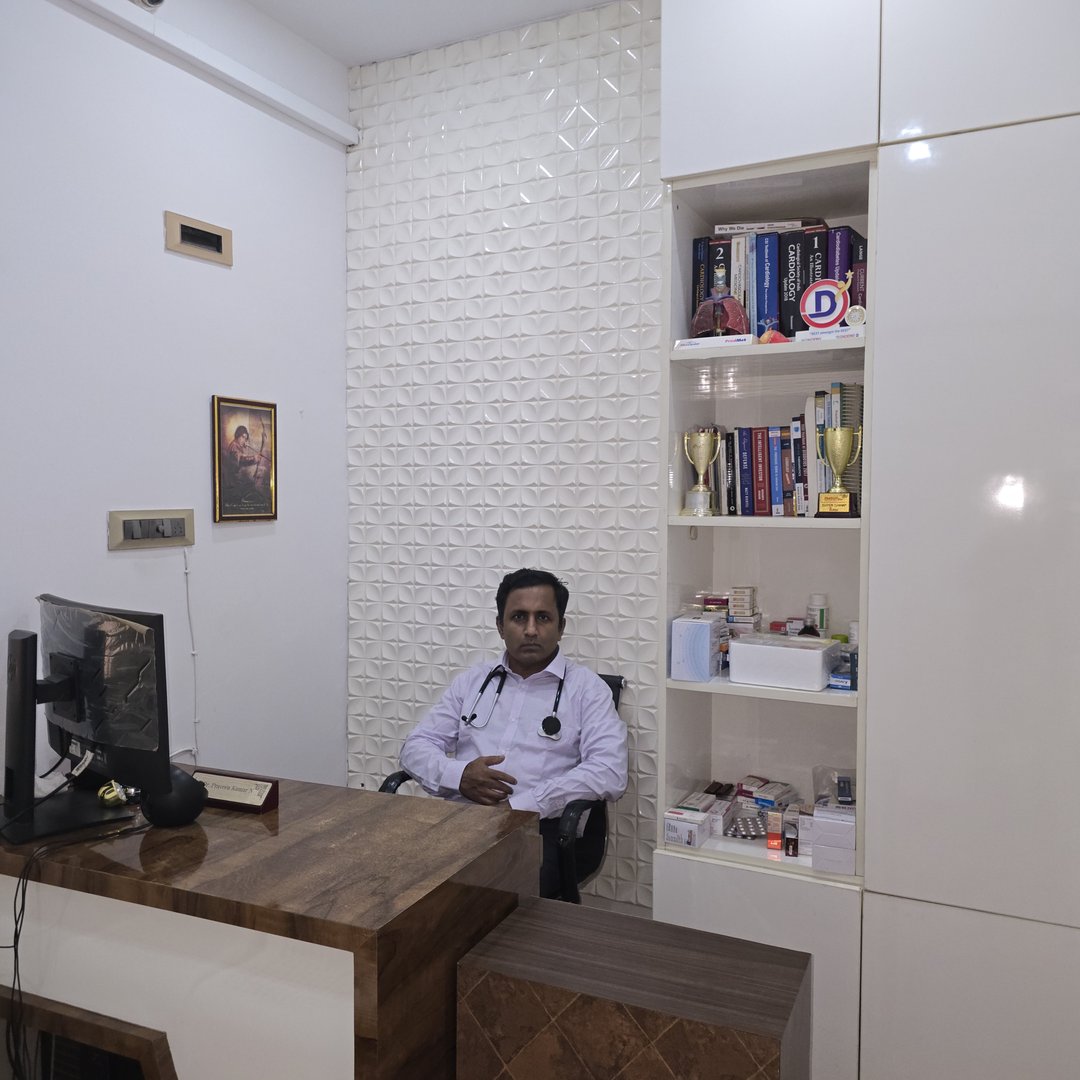
High blood pressure is the condition I diagnose most often in people who felt perfectly fine when they walked into my clinic. In 26 years of practice in Yelahanka, I have lost count of how many patients came in for something unrelated — a routine check, a diabetes review, a niggling headache — only to discover their blood pressure had been quietly high for years. That is the whole problem with hypertension: it works in silence, and the damage it does to the heart, brain and kidneys is well under way long before you feel a thing.
Roughly one in four Indian adults now lives with high blood pressure, and in urban Bengaluru the figure is higher still. The good news is that it is one of the most manageable conditions in medicine — once you know your numbers and act on them.
What the numbers actually mean
Blood pressure is written as two figures, for example 130/85. The top number (systolic) is the pressure as your heart pumps; the lower number (diastolic) is the pressure as it rests between beats. As a simple guide: around 120/80 is ideal, and a reading that sits at or above 140/90 on more than one occasion is generally treated as high. The readings in between are a warning zone — a good moment to change habits before medicine becomes necessary. One high reading in a busy clinic does not mean you have hypertension; it is the pattern over several measurements, ideally including some taken calmly at home, that tells the real story.
The symptoms — and why you can't rely on them
Hypertension is called the "silent killer" for a reason. Most people with high blood pressure have no symptoms whatsoever, which is exactly why it goes undetected for so long. When symptoms do appear, they can include:
- Headaches, often at the back of the head and worse in the morning.
- Breathlessness or a sense of tightness on exertion, such as climbing stairs.
- Dizziness or a fuzzy, unsteady feeling.
- Palpitations — an awareness of the heart pounding or racing.
- Nosebleeds that come without an obvious cause.
- Chest discomfort or unusual fatigue that you cannot explain.
Here is the crucial point: by the time these appear, the pressure is often already very high. Waiting to "feel" high blood pressure is like waiting to feel a slow leak in a tyre — you only notice once real harm is done. This is why I tell every patient over 30 in Yelahanka to have their pressure measured at least once a year, symptoms or not.
Why hypertension and the heart go together
Every extra millimetre of pressure makes your heart work harder and slowly stiffens your arteries. Over years, that raises the risk of heart attack, stroke, heart failure and kidney damage. In our patients the picture is often layered — high blood pressure sitting alongside diabetes and high cholesterol, each quietly amplifying the others. That combination is common in North Bengaluru families and is exactly why a heart-and-diabetes clinic looks at the whole picture rather than one number in isolation. Your heart problem started 20 years before you felt it. Let's catch the next 20.
Managing it: lifestyle first
For most people, the first and most powerful medicine is not a tablet — it is what happens at home. The changes that lower blood pressure most reliably are:
- Cut the salt. This is the big one in a South Indian diet. Pickles, papad, packaged snacks, and the extra pinch at the table all add up. Aiming for less than a teaspoon of salt a day makes a real, measurable difference.
- Move your body. A brisk 30-minute walk most days of the week lowers pressure and helps your weight, your sugar and your mood at the same time.
- Lose a little weight. Even three to four kilograms off can bring readings down noticeably.
- Go easy on alcohol, and stop smoking. Both push pressure up and damage vessels directly.
- Manage stress and sleep. Chronic stress and poor sleep keep pressure elevated. Simple routines — regular hours, a wind-down before bed, a few minutes of breathing — genuinely help.
When medicine is needed
If your pressure stays high despite these changes, or if it is very high to begin with, medication is not a failure — it is protection. Modern blood-pressure tablets are safe, taken once a day, and have decades of evidence behind them. The goal is simply to keep your pressure in a safe range so your heart and kidneys are shielded for the long run. The right medicine and dose vary from person to person, so this is a conversation to have with your doctor rather than a decision to make from a WhatsApp forward. And once started, most people can reduce or simplify their tablets over time as their lifestyle changes take hold.
A simple plan if your reading is high
Do not panic, and do not ignore it either. Get it confirmed with a few more readings, ideally including some at home. Then have a proper review — a blood pressure check, an ECG, a simple blood panel and a conversation about your diet, weight and family history. In one sitting you will know where you stand and exactly what to do next. For anyone over 40, or with diabetes or a family history of heart trouble, that yearly check is one of the most valuable half-hours you can give yourself.
Frequently Asked Questions
What blood pressure reading is considered high?
A reading at or above 140/90 mmHg on repeated measurements is generally considered high in Indian practice. Around 120/80 is ideal, and readings in between are worth watching with lifestyle changes.
Does high blood pressure always cause symptoms?
No. Hypertension is called the silent killer because most people feel completely normal. That is why regular measurement matters far more than waiting for symptoms.
Can high blood pressure be managed without medicine?
Mild hypertension can often be controlled with less salt, weight loss, exercise and reduced alcohol. Higher readings usually need medication alongside these changes to protect the heart and kidneys.
How often should I check my blood pressure?
Every adult should have it checked at least yearly. If you already have high readings, diabetes or a family history, home monitoring and more frequent clinic checks are advised.
Where can I get my blood pressure and heart checked in Yelahanka?
At Samiksha Heart & Diabetic Care in Yelahanka New Town, blood pressure, ECG and a full heart review can be done in-house with results explained the same visit.